Routine car maintenance can make a major difference in your vehicle's safety, reliability, and longevity.
Keeping your vehicle properly maintained is important anywhere, but Minnesota drivers put their cars, trucks, and SUVs through some especially demanding conditions. Freezing winter temperatures, summer heat, potholes, road salt, snow, ice, and changing road conditions can all take a toll on your vehicle.
At Peepaw’s Garage, we help drivers throughout Brainerd, Baxter, Pillager, Nisswa, Pequot Lakes, and the surrounding Brainerd Lakes Area keep their vehicles safe and reliable.
Following a regular car maintenance schedule can help prevent breakdowns, improve vehicle performance, extend the life of your vehicle, and help you catch small problems before they become expensive repairs.
There isn't one maintenance schedule that's right for every vehicle. Your vehicle's age, mileage, manufacturer recommendations, driving habits, and operating conditions all affect how frequently certain services should be performed.
Your owner's manual should always be your starting point.
However, regular vehicle inspections are especially valuable in Minnesota because extreme temperature changes and difficult road conditions can accelerate wear on tires, brakes, suspension components, batteries, and other parts.
If you drive frequently on rough roads, make short trips, tow trailers, or put a lot of miles on your vehicle, you may need some maintenance services more frequently.
Oil is essential for protecting the moving components inside your engine. As engine oil ages, it becomes contaminated and gradually loses its ability to properly lubricate and protect the engine.
That's why regular oil and filter changes are one of the simplest and most important things you can do to protect your vehicle.
How frequently your oil should be changed depends on your vehicle, the type of oil being used, and your manufacturer's recommendations.
Don't rely exclusively on mileage. Pay attention to your vehicle's oil-life monitoring system if equipped, and periodically check the oil level between services.
Signs you may need an oil change or inspection include:
Keeping up with routine oil changes can help reduce engine wear and potentially prevent much more expensive engine repairs later.
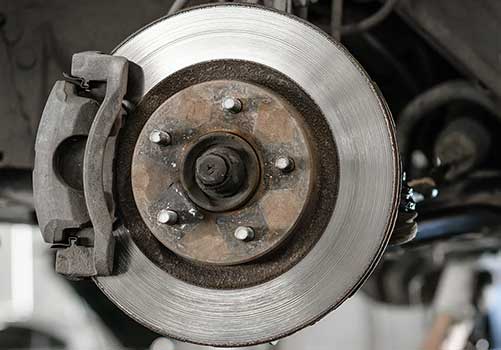
Your brakes are one of your vehicle's most important safety systems.
Brake pads and rotors gradually wear during normal driving, but Minnesota driving conditions can be especially tough on braking components.
Have your brakes inspected if you notice:
Catching worn brake pads early may also help prevent damage to other braking components.
If something about your brakes doesn't feel right, don't wait until your next regularly scheduled maintenance appointment to have them inspected.
Your tires are your vehicle's connection to the road, making their condition particularly important during Minnesota rain, snow and ice.
Check your tires regularly for proper inflation, tread depth, cracks, bulges, punctures, and uneven wear.
Uneven tire wear can sometimes indicate another problem, such as improper wheel alignment or worn steering or suspension components.
You should also have your tires rotated according to the tire or vehicle manufacturer's recommendations. Regular rotation helps promote more even tread wear and can extend tire life.
Minnesota's changing temperatures can also affect tire pressure, so don't assume your tires are properly inflated just because they were checked a few months ago.
Potholes, rough roads and curb impacts can affect your vehicle's wheel alignment.
A vehicle with improper alignment may:
Proper wheel alignment doesn't just improve handling. It can also help you get more life out of your tires.
If you've hit a significant pothole or notice changes in the way your vehicle handles, an alignment inspection may be worthwhile.
Your vehicle's steering and suspension systems affect handling, ride quality, tire wear and safety.
Shocks, struts, ball joints, tie rods, bushings and other components can gradually wear over time.
Common signs of suspension or steering problems include:
Minnesota's rough roads and potholes can make existing suspension problems more noticeable and may contribute to component wear.
Don't ignore changes in how your vehicle feels on the road.
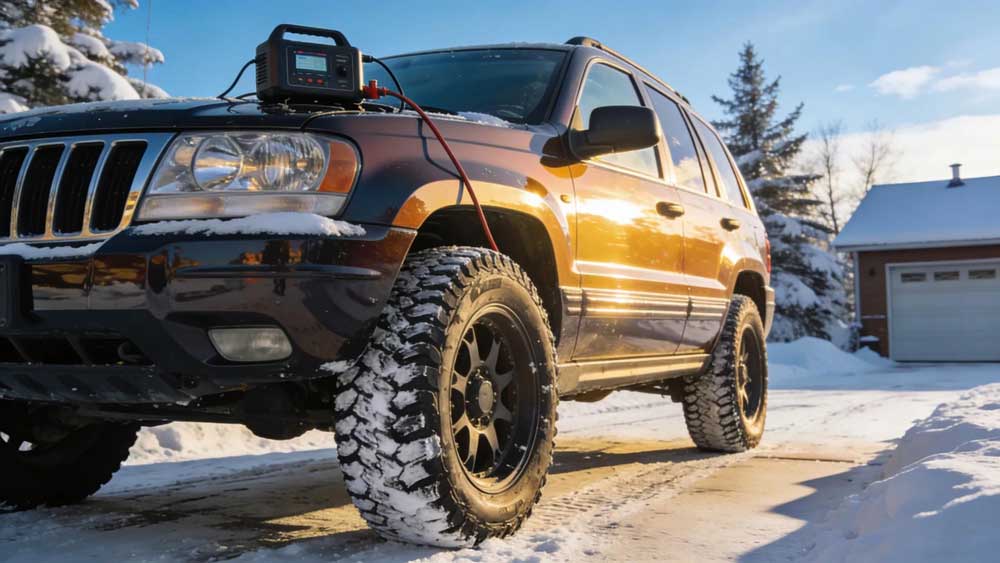
Cold weather can expose a weak battery very quickly.
A battery that seems fine during summer may struggle once temperatures drop.
Before winter, consider having your battery and charging system checked, particularly if your battery is several years old or you've noticed slow engine cranking.
Warning signs of a weakening battery can include:
Finding a weak battery during an inspection is much more convenient than discovering it on a freezing Minnesota morning.
Engine oil isn't the only fluid your vehicle depends on.
Depending on your vehicle, important fluids can include:
Low or contaminated fluids can indicate maintenance needs or leaks.
Minnesota drivers should pay particular attention to coolant because your cooling system must protect the engine during both hot summer weather and extremely cold winters.
Modern vehicles continuously monitor many of their mechanical and electronic systems.
If your check engine light or another dashboard warning light appears, your vehicle is telling you something needs attention.
A check engine light can be caused by anything from a relatively minor issue to a more serious engine, fuel, ignition, sensor, or emissions-system problem.
The important thing is to have the problem properly diagnosed instead of guessing which component needs replacement.
If a warning light begins flashing or your vehicle starts running poorly, the problem may require immediate attention.
Seasonal vehicle maintenance is particularly important in the Brainerd Lakes Area.
Before winter, it's a good idea to inspect your:
Spring is also a good time for another inspection. Winter potholes, freezing temperatures, road salt and months of difficult driving can take a toll on your vehicle.
Spring maintenance may reveal tire, alignment, suspension or brake problems that developed during winter.
One of the biggest mistakes vehicle owners make is treating maintenance as something that only needs to happen after a problem appears.
Preventative maintenance is about finding problems earlier.
A worn tire, weak battery, deteriorating brake pad or developing suspension problem may be much easier and less expensive to address before it causes additional damage or leaves you stranded.
Regular maintenance also gives you a better understanding of your vehicle's overall condition so you can plan upcoming repairs instead of being surprised by them.
If you're unsure where to start, focus on the systems that affect vehicle safety and reliability.
That includes your:
Your vehicle's manufacturer's maintenance schedule should also be followed for mileage- and time-based services.
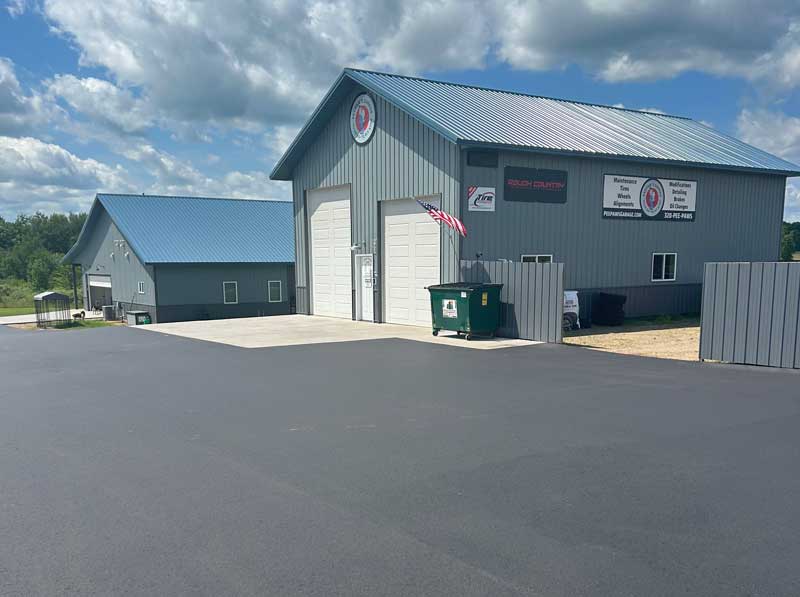
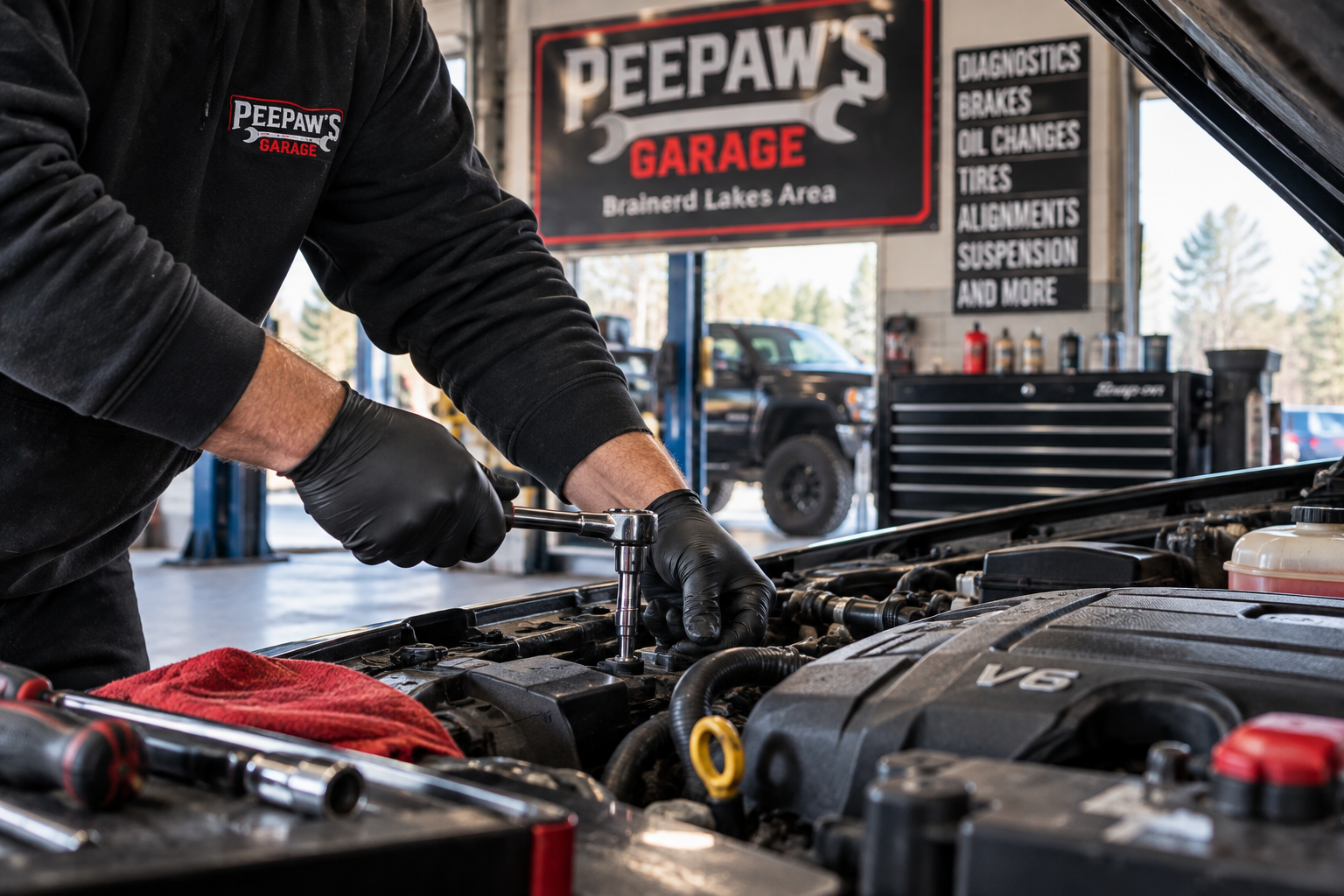
Peepaw's Garage provides automotive repair and maintenance for cars, trucks, and SUVs throughout the Brainerd Lakes Area.
Our goal is straightforward: accurately determine what your vehicle needs, explain what we find, and help you keep it safe and dependable.
Our automotive services include oil changes, brake repair and inspections, tire and rim services, wheel alignments, steering and suspension repair, engine diagnostics, lift and leveling kit installation, and vehicle detailing.
We proudly serve drivers from Brainerd, Baxter, Pillager, East Gull Lake, Lake Shore, Nisswa, Merrifield, Pequot Lakes, and surrounding communities.
Follow your vehicle manufacturer's recommended maintenance schedule. Additional inspections can be useful before long trips, before winter, or whenever you notice a change in your vehicle's handling, braking, starting, performance, or sound.
Preventative maintenance can identify worn components and developing problems before they lead to breakdowns, additional damage, or more expensive repairs.
Yes. Minnesota winters place additional demands on batteries, tires, brakes, cooling systems, and other vehicle components. A pre-winter inspection can identify problems before extremely cold weather arrives.
Schedule a diagnostic inspection to determine why the vehicle's computer triggered the warning. Avoid replacing parts based only on the warning light or a trouble code without properly diagnosing the underlying problem.
Yes. A hard pothole impact can damage tires or wheels and affect steering, suspension, or wheel alignment. If you notice pulling, vibration, steering changes, or tire damage after hitting a pothole, have the vehicle inspected.
Routine car maintenance can make a major difference in your vehicle's safety, reliability, and longevity.
Instead of waiting for a breakdown, pay attention to changes in how your vehicle drives and stay ahead of routine maintenance.
If your car, truck, or SUV needs maintenance or you're concerned about a potential problem, contact Peepaw's Garage to schedule an inspection or automotive service.
We proudly help drivers throughout the Brainerd Lakes Area keep their vehicles safe, dependable, and ready for Minnesota roads.