
Top Signs You Need Brake Repair in Pequot Lakes, MN
When it comes to vehicle safety, few systems are more critical than your brakes. Whether you’re heading out on a summer drive around the lakes or navigating snowy roads in the middle of a Minnesota winter, your braking system is what stands between you and a potential accident. At PeePaw's Garage in Pequot Lakes, MN, we’ve seen firsthand how quickly minor brake issues can turn into major repairs if left unaddressed.
In this guide, we’re breaking down the top signs you need brake repair in Pequot Lakes, MN, what those symptoms actually mean, and how you can make informed decisions to protect your vehicle, your passengers, and your budget. If you’ve ever wondered whether that squeak, vibration, or warning light is serious — this article is for you.
Why Brake Health Matters More Than You Think
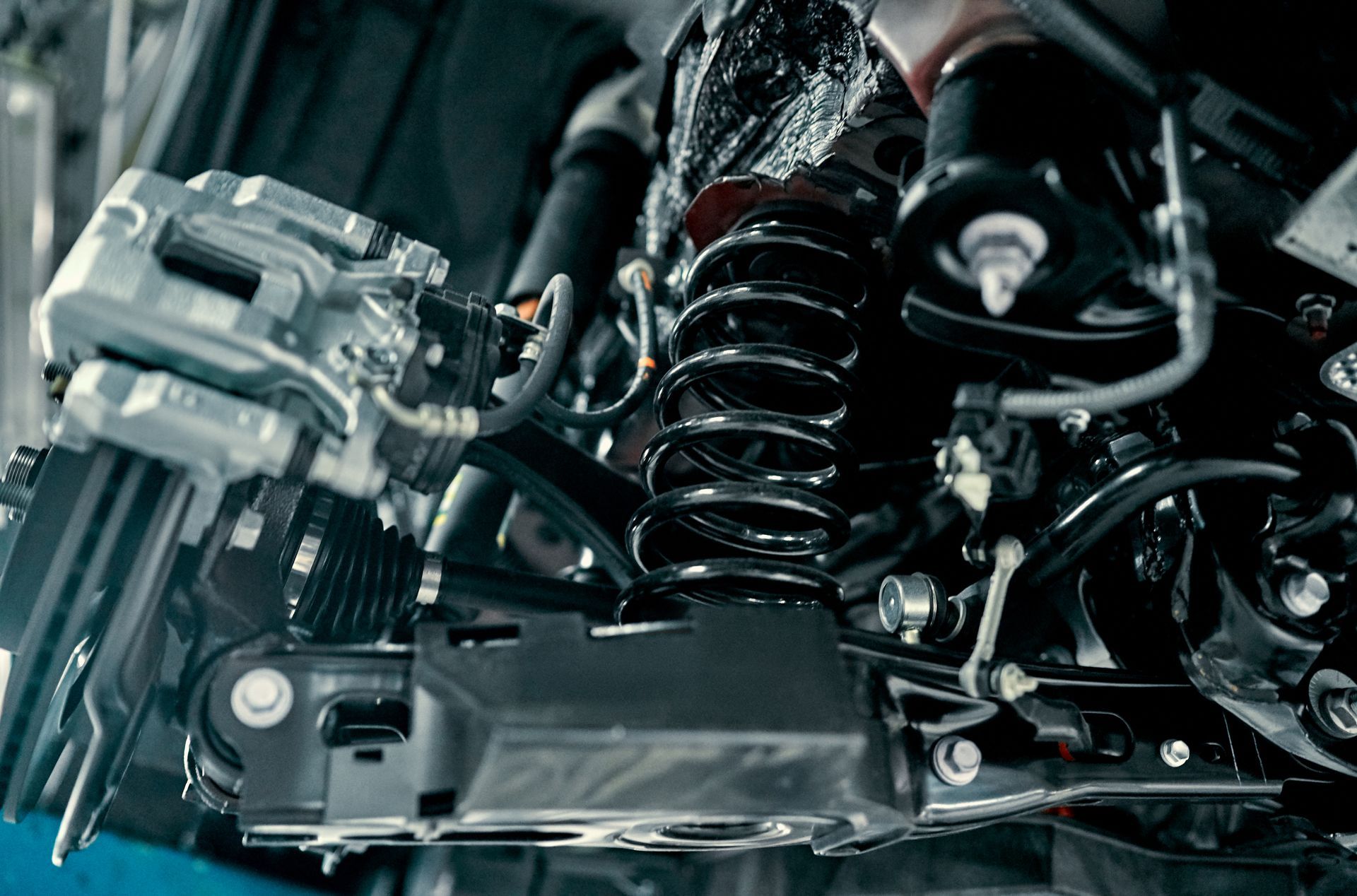
Your braking system is a complex network of components working together:
- Brake pads
- Rotors (discs)
- Calipers
- Brake fluid
- Brake lines
- Master cylinder
- ABS (Anti-lock Braking System)
When you press the brake pedal, hydraulic pressure forces the brake pads against the rotors, creating friction that slows your vehicle. Over time, friction causes wear. That wear is normal — but ignoring it is not.
In Pequot Lakes, MN, where road conditions shift dramatically between seasons, brakes endure even more stress. Cold temperatures, moisture, salt, gravel, and stop-and-go driving all accelerate wear.
At PeePaw's Garage, we always emphasize one principle: early detection saves money and prevents safety risks.
1. Squeaking or Squealing Brakes
What It Sounds Like
A high-pitched squeal when you press the brake pedal.
What It Means
Most brake pads are designed with a small metal wear indicator. When your pads thin out, that indicator scrapes against the rotor — creating a squeal as a warning sign.
Why You Shouldn’t Ignore It
If you continue driving on worn brake pads:
- Pads wear down completely
- Metal backing plates grind into rotors
- Rotors become damaged
- Repair costs increase significantly
In Pequot Lakes, MN, fluctuating moisture can also cause temporary surface rust on rotors, leading to minor noise. However, persistent squealing almost always indicates pad wear.
If you hear consistent squeaking, it’s time for a professional brake inspection.
2. Grinding Noise When Braking
What It Sounds Like
A harsh metal-on-metal grinding sound.
What It Means
Your brake pads are completely worn through. The metal backing plate is now pressing directly against the rotor.
Why It’s Serious
Grinding means:
- Severe pad wear
- Rotor damage
- Reduced stopping power
- Increased braking distance
Continuing to drive in this condition can damage calipers and compromise safety.
At PeePaw's Garage in Pequot Lakes, MN, we often see drivers who waited too long after hearing grinding. In many cases, a simple pad replacement could have prevented a full rotor replacement.
Grinding is not a “wait and see” situation. It requires immediate attention.
3. Vibrations or Pulsation in the Brake Pedal
What It Feels Like
You press the brake pedal and feel shaking or pulsating.
What It Means
Most commonly, this indicates warped brake rotors.
Rotors can warp due to:
- Excessive heat
- Aggressive braking
- Heavy towing
- Mountain or hill driving
- Uneven torque when wheels were installed
When rotors are no longer perfectly smooth, brake pads make inconsistent contact, causing vibration.
Why It Matters
Warped rotors reduce braking efficiency and compromise smooth stopping. Over time, this uneven wear can damage other components.
In Pequot Lakes, MN, we also see rotor warping from rapid temperature shifts — especially during winter months when cold rotors experience sudden heat during braking.
If your steering wheel or brake pedal vibrates, schedule a brake inspection promptly.
4. Soft or Spongy Brake Pedal
What It Feels Like
The brake pedal feels soft, sinks to the floor, or requires extra pressure.
Possible Causes
- Air in brake lines
- Brake fluid leak
- Worn master cylinder
- Failing brake caliper
Brake systems rely on hydraulic pressure. If that pressure drops, your stopping power decreases.
Why This Is Urgent
A soft pedal can indicate a brake fluid leak — which is a serious safety issue. Without proper hydraulic pressure, braking ability can fail.
If your pedal feels different than usual, do not delay.
5. Vehicle Pulling to One Side
What Happens
When braking, your vehicle drifts left or right.
What It Means
This may indicate:
- Sticking caliper
- Uneven brake pad wear
- Brake hose issue
- Contaminated brake pads
Pulling can also be related to suspension or alignment problems, but if it only happens when braking, your brakes are likely the culprit.
At PeePaw's Garage in Pequot Lakes, MN, we perform a complete brake and steering inspection to identify the root cause — not just the symptom.
6. Burning Smell While Driving
What It Smells Like
A sharp, chemical odor after heavy braking.
What It Means
Overheated brake pads or stuck calipers.
This is often caused by:
- Riding the brakes downhill
- Aggressive braking
- Frozen or seized calipers
In winter conditions around Pequot Lakes, calipers can sometimes seize due to corrosion.
If you notice smoke or a strong burning odor, stop driving and allow the system to cool.
7. Brake Warning Light on the Dashboard
Modern vehicles include sensors that monitor brake system health.
A brake warning light can indicate:
- Low brake fluid
- ABS malfunction
- Worn brake pads
- Hydraulic system issue
Dashboard lights are not suggestions — they are alerts.
If your brake or ABS light is illuminated, have it diagnosed promptly.
8. Increased Stopping Distance
This is one of the most dangerous warning signs.
If your vehicle takes longer to stop, even without noise or vibration, your brake pads may be worn or your system may not be operating efficiently.
In emergency situations, even a few extra feet can make a critical difference.
We always remind drivers in Pequot Lakes, MN that winter road conditions magnify stopping distance issues — making healthy brakes even more essential.
How Often Should Brakes Be Inspected?
We recommend brake inspections:
- Every oil change (visual check)
- At least once per year
- Before winter driving season
- Before long road trips
- If you notice any unusual symptoms
Brake pads typically last 30,000–70,000 miles depending on driving habits.
However, local driving conditions in Pequot Lakes, MN — including gravel roads, stop-and-go traffic, and seasonal weather shifts — may shorten lifespan.
Preventative Brake Maintenance Tips
Here are practical steps you can take:
✔ Avoid Aggressive Braking
Hard stops generate excessive heat.
✔ Maintain Proper Following Distance
Reduces sudden braking.
✔ Don’t Overload Your Vehicle
Excess weight strains braking components.
✔ Schedule Routine Inspections
Small issues caught early prevent larger repairs.
✔ Replace Brake Fluid as Recommended
Brake fluid absorbs moisture over time, reducing effectiveness.
At PeePaw's Garage in Pequot Lakes, MN, we believe proactive maintenance is always more affordable than reactive repairs.
What Happens During a Professional Brake Inspection?
When you bring your vehicle in for brake service, we:
- Inspect brake pads for thickness
- Measure rotor condition
- Check calipers for proper function
- Inspect brake lines and hoses
- Test brake fluid condition
- Scan for ABS codes if necessary
- Road test the vehicle
We evaluate the entire braking system — not just the pads.
That comprehensive approach ensures you leave confident in your vehicle’s safety.
Why Local Drivers in Pequot Lakes, MN Should Take Brake Issues Seriously
Driving conditions in Pequot Lakes include:
- Wet spring roads
- Gravel and dust
- Cold winter temperatures
- Road salt exposure
- Seasonal tourism traffic
All of these factors increase brake system wear.
At PeePaw's Garage, we understand the local environment and how it affects your vehicle. That local knowledge allows us to make accurate recommendations based on real-world conditions — not generic estimates.
Final Thoughts: Don’t Wait for Brake Failure
Brake problems rarely fix themselves. They only get worse.
If you notice:
- Squeaking
- Grinding
- Vibrations
- Soft pedal
- Pulling
- Warning lights
- Burning smells
Those are clear signs you need brake repair in Pequot Lakes, MN.
Addressing issues early:
- Saves money
- Protects your rotors
- Prevents larger system damage
- Keeps you and your passengers safe
At PeePaw's Garage in Pequot Lakes, MN, we’re committed to helping our community drive safely year-round. Educating drivers about brake health is part of that commitment.
If you’re unsure whether your brakes are due for service, don’t guess. A simple inspection can provide clarity — and peace of mind.