Explore essential tips on maintaining your car’s engine, from regular oil changes to troubleshooting early warning signs, ensuring your engine runs smoothly for years.
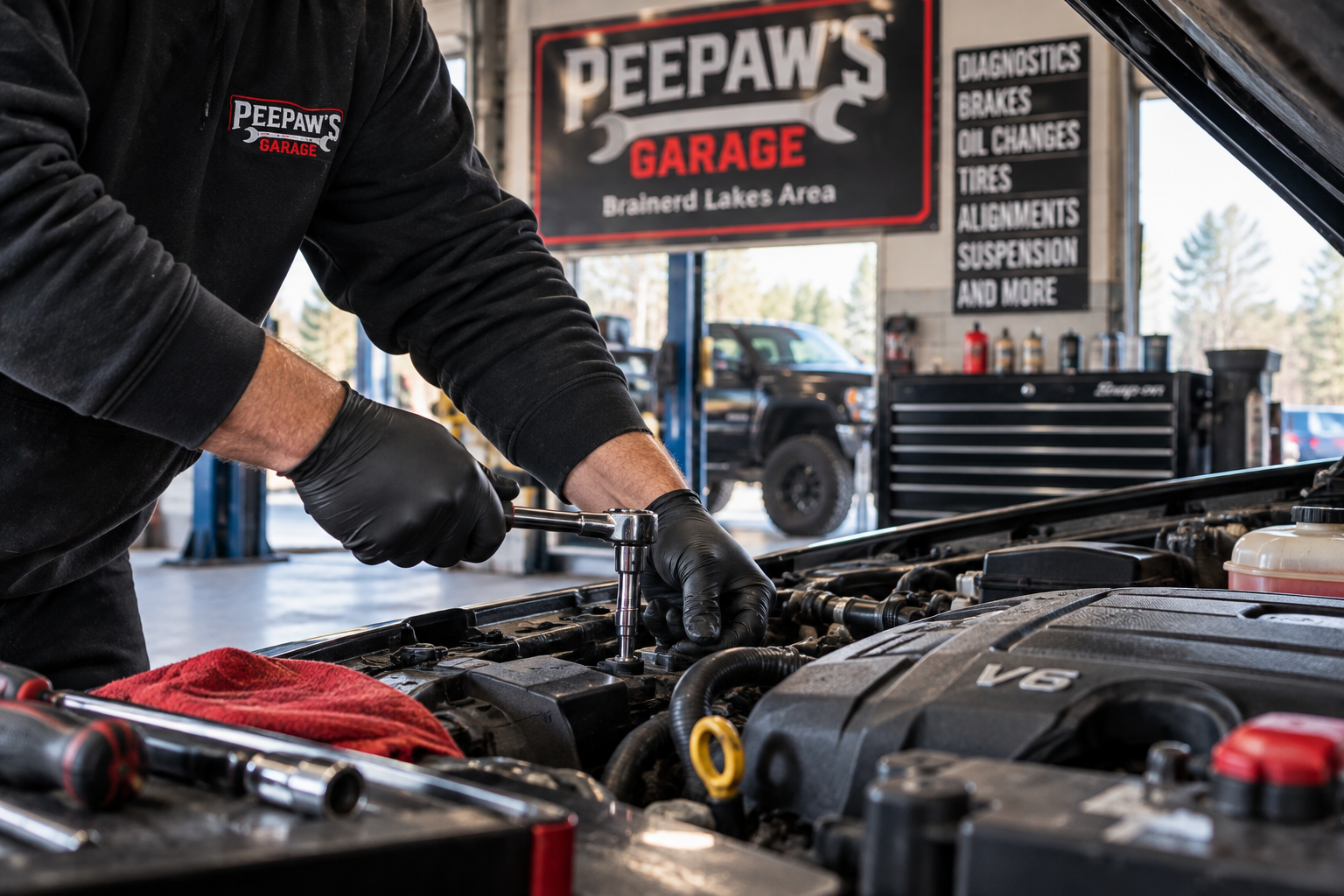
Your vehicle’s engine is the heart of your car. It powers every drive, whether you’re commuting to work, running errands around town, or traveling across the Brainerd Lakes Area. Proper engine maintenance is essential if you want your vehicle to remain reliable and perform well for many years.
Many engines today are designed to last well over 200,000 miles when they are properly maintained. However, neglecting routine maintenance can significantly shorten the lifespan of your engine and lead to expensive repairs.
Below are several important steps you can take to maintain your vehicle’s engine and help ensure it lasts as long as possible.
One of the most important maintenance tasks for your engine is regular oil changes. Engine oil lubricates internal engine components, reduces friction, and helps prevent overheating.
Over time, engine oil breaks down and becomes contaminated with dirt and debris. When oil becomes dirty or degraded, it loses its ability to properly protect engine components.
Most vehicles require oil changes every:
3,000–5,000 miles for conventional oil
5,000–7,500 miles for synthetic oil
Following the manufacturer’s recommended oil change schedule is one of the easiest ways to extend the life of your engine.
Your engine relies on clean air to operate efficiently. The engine air filter prevents dirt, dust, and debris from entering the engine.
When the air filter becomes clogged, it can reduce airflow and affect engine performance.
Replacing a dirty air filter can help:
• Improve engine efficiency
• Increase fuel economy
• Reduce engine wear
Most air filters should be inspected during routine maintenance and replaced as needed.
Your engine generates a significant amount of heat while running. The cooling system, which includes the radiator and coolant, helps regulate engine temperature and prevent overheating.
If the cooling system is not maintained properly, overheating can cause serious engine damage.
Cooling system maintenance may include:
• Checking coolant levels
• Inspecting hoses and connections
• Flushing and replacing coolant when needed
Maintaining your cooling system helps protect your engine from excessive heat.
Modern vehicles are equipped with sensors that monitor engine performance and alert drivers when problems occur.
If a warning light such as the check engine light appears on your dashboard, it’s important to have the issue inspected promptly.
Ignoring warning lights can allow small problems to turn into larger and more expensive repairs.
A professional diagnostic inspection can help identify the cause of the warning light and determine the proper repair.
Using good-quality fuel can help maintain engine performance and reduce the buildup of deposits within the fuel system.
Some vehicles require higher octane fuel based on manufacturer specifications. Following these recommendations can help ensure proper engine operation.
Keeping your fuel system clean helps maintain engine efficiency and performance.
Spark plugs are responsible for igniting the air and fuel mixture inside the engine’s cylinders. Over time, spark plugs can wear out and lose efficiency.
Worn spark plugs can cause issues such as:
• Rough engine idle
• Reduced fuel efficiency
• Engine misfires
• Difficulty starting the engine
Replacing spark plugs according to the manufacturer’s maintenance schedule helps ensure your engine continues running smoothly.
Frequent short trips can prevent your engine from reaching its optimal operating temperature. When this happens, moisture and fuel residue can accumulate inside the engine oil.
Whenever possible, allowing your vehicle to run long enough to fully warm up can help reduce this buildup and protect the engine.
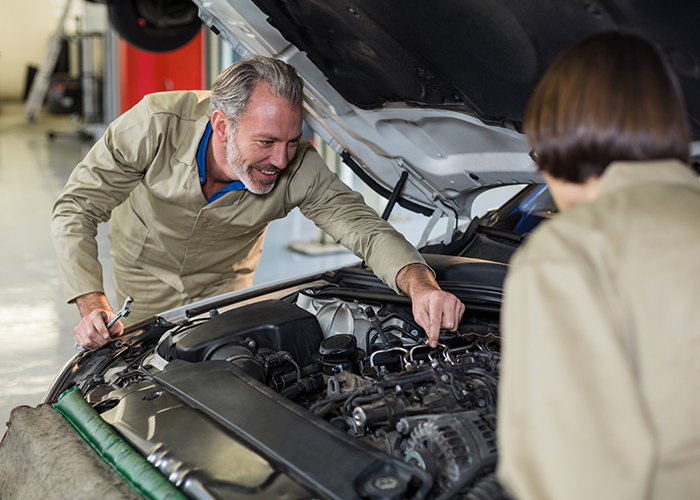
Routine inspections help identify potential engine issues before they become major problems.
Professional vehicle inspections can detect:
• Fluid leaks
• Worn engine components
• Sensor problems
• Cooling system issues
Regular maintenance inspections allow technicians to address problems early and keep your engine operating properly.
Taking care of your vehicle’s engine provides several long-term benefits.
Proper engine maintenance helps:
• Extend engine lifespan
• Improve fuel efficiency
• Reduce the risk of breakdowns
• Improve overall vehicle performance
• Prevent costly repairs
By following a consistent maintenance schedule, drivers can keep their vehicles running reliably for many years.
If you want to keep your vehicle running smoothly for years to come, routine maintenance is essential. The technicians at Peepaw’s Garage provide professional engine inspections, diagnostics, and maintenance services for drivers throughout the Brainerd Lakes Area, including Brainerd, Baxter, Nisswa, Pequot Lakes, Merrifield, East Gull Lake, Lake Shore, and Pillager.
Our team helps drivers maintain their vehicles with dependable service and honest recommendations designed to protect engine performance and longevity.
Contact Peepaw’s Garage today to schedule a maintenance inspection and keep your vehicle’s engine running at its best.