Brakes are vital for vehicle safety. Recognizing brake wear signs helps prevent accidents and costly repairs. This guide covers key indicators of brake wear, the importance of timely replacement, and tips to maintain safe braking performance. We also discuss specific issues like brake noise, fluid problems, and rotor damage.
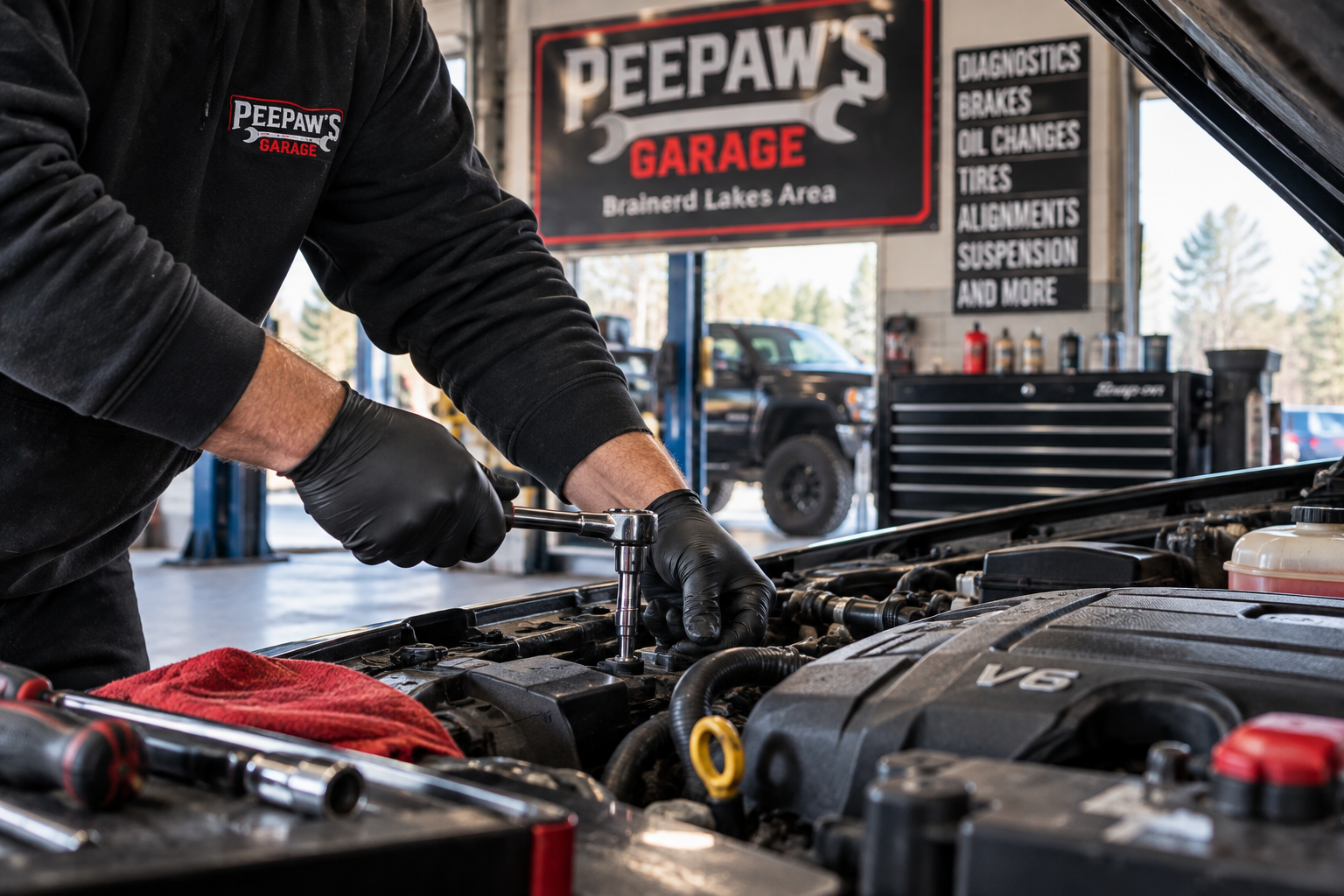
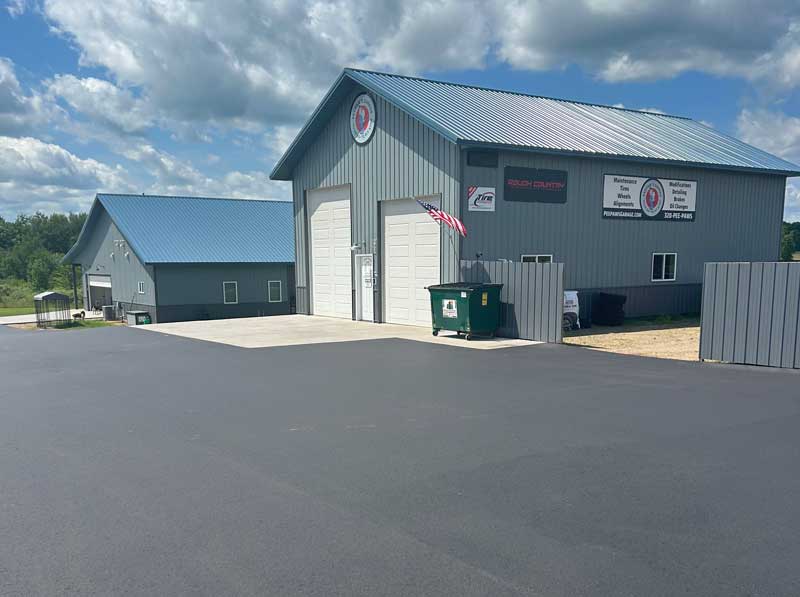
Replacing brakes promptly maintains safety and performance. Ignoring wear reduces braking efficiency, increasing stopping distances and accident risk. Early maintenance prevents costly repairs. PeePaw's Garage in Pequot Lakes, MN, offers expert brake diagnostics and replacements to keep your vehicle safe.
These produce a high-pitched squeal when pads are worn, warning you before rotor damage occurs.
Grinding signals severe pad wear; squeaking means pads are worn but not yet critical. Listening helps determine when to seek service.
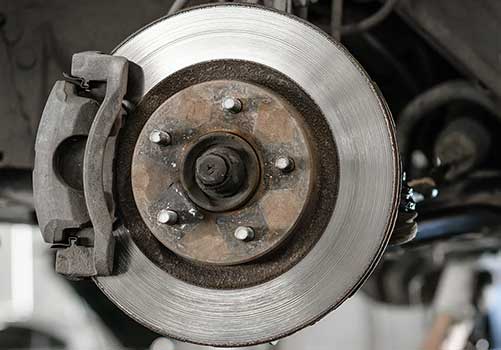
Look for uneven surfaces or discoloration on rotors, which can impair braking and may require replacement.
Low or contaminated brake fluid can cause brake failure or reduced performance. Regular checks are essential.
This often indicates air in brake lines or fluid leaks, impairing braking and needing immediate attention.
Uneven pad wear or sticking calipers cause pulling, affecting handling and safety.
This dashboard light signals low fluid or worn pads and requires prompt inspection.
Schedule Regular Inspections: Detect issues early with routine brake checks.
Replace Fluid as Recommended: Follow maintenance schedules for brake fluid changes.
Address Noises Promptly: Investigate unusual brake sounds immediately.
Squealing: High-pitched sound indicating pads are near end of life.
Grinding: Harsh noise showing pads are worn out and need replacement.
Vibrations: Felt during braking, suggesting warped rotors or uneven wear.
They emit specific sounds when pads thin, alerting drivers before complete wear to prevent rotor damage.
Noise can stem from worn pads, debris, or damaged rotors. Squealing means worn pads; grinding means pads are fully worn.
Visual checks for uneven surfaces or discoloration and noticing vibrations help catch rotor damage early.
Surface Rust: May require resurfacing or replacement.
Vibrations During Braking: Indicates warped rotors.
Discoloration: Sign of overheating affecting rotor integrity.
Damaged rotors cause vibrations and reduce stopping power, leading to uneven braking.
Low Fluid Levels: Risk of brake failure.
Contaminated Fluid: Reduces braking performance.
ABS Warning Light: Indicates anti-lock system issues needing attention.
Leaks reduce hydraulic pressure, lowering braking power and risking failure. Immediate inspection is critical.
It signals potential anti-lock braking system problems like low fluid or malfunctions, requiring prompt service.
Costs vary by parts and labor. PeePaw's Garage provides competitive pricing and expert service. Scheduling an appointment ensures an accurate quote.
Labor Rates: Depend on technician skill and location.
Parts Quality: Higher quality parts cost more but last longer.
Extent of Damage: More damage means higher repair costs.
Find Local Providers: Research reputable shops nearby.
Make Appointments: Contact shops to schedule inspections or repairs.
Communicate Symptoms: Describe brake issues clearly for accurate diagnosis.