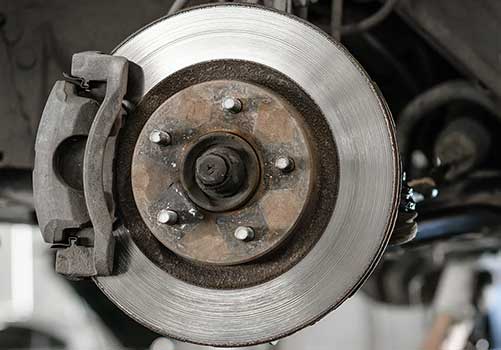
Brake noise can be caused by several factors, including worn brake pads, glazed brake pads or rotors, debris or dirt caught in the brakes, rust or corrosion on the rotors.
If you’ve ever heard a squealing, grinding, or clicking sound when applying your brakes, you know how concerning it can be. Brake noise is one of the most common warning signs that something may be wrong with your vehicle’s braking system.
While some brake noises may be harmless, others can indicate worn or damaged components that should be addressed as soon as possible. Understanding the common causes of brake noise can help you determine when it’s time to schedule a professional brake inspection.
Below are several of the most common reasons brakes make noise and what you should do if you notice them.
One of the most common causes of brake noise is worn brake pads. Most modern brake pads include a small metal wear indicator that produces a high-pitched squealing sound when the pads become thin.
This squealing sound is designed to alert drivers that the brake pads are nearing the end of their lifespan.
If your brakes are squealing consistently, it’s a good idea to schedule a brake inspection. Replacing worn brake pads early can prevent damage to other brake components like rotors.
Sometimes brake noise is caused by small debris such as dirt, sand, or rust that becomes trapped between the brake pad and rotor.
This debris can cause a temporary squealing or scraping noise when braking.
In many cases, the noise will disappear after driving for a short period of time. However, if the noise continues or becomes louder, it’s best to have the braking system inspected.
Brake rotors are made of metal, and when exposed to moisture, they can develop a thin layer of surface rust. This commonly happens overnight, especially in humid conditions or after rain.
When you first apply the brakes in the morning, the pads may make a squeaking or grinding sound as the rust is worn away.
This type of noise usually disappears after a few stops. If the sound persists throughout the day, it may indicate another issue with the braking system.
If your brake rotors become uneven or warped, they may cause a vibrating or pulsing sensation when you apply the brakes. This often occurs after extended braking or overheating of the brake system.
Warped rotors can also cause grinding or scraping noises.
If you feel vibration while braking, it’s best to schedule a brake inspection. In many cases, the rotors may need to be resurfaced or replaced.
Brake pads are designed to move smoothly within the brake caliper assembly. When proper lubrication is missing or worn away, the brake pads may create squeaking or chirping noises.
A technician can apply proper brake lubrication during a brake inspection to reduce noise and improve brake performance.
Brake systems include several small components such as clips, shims, and mounting hardware. If any of these parts become loose or worn, they can create rattling or clicking noises while braking.
A professional brake inspection can identify worn hardware and replace it if necessary.
A grinding sound when braking is one of the most serious brake noises you may hear. Grinding often occurs when brake pads are completely worn out and the metal backing plate is contacting the rotor.
This can quickly damage the rotors and reduce braking performance.
If you hear grinding when braking, you should schedule brake repair as soon as possible to avoid more expensive repairs and maintain safe braking performance.
Your braking system is one of the most important safety components of your vehicle. Even minor brake noises can indicate early signs of wear that should be addressed before they lead to more serious problems.
Having your brakes inspected early can help prevent:
• Reduced braking performance
• Damage to brake rotors
• More expensive brake repairs
• Unsafe driving conditions
Routine brake inspections help ensure your braking system continues to function safely.
You should consider scheduling a brake inspection if you notice:
• Squealing or squeaking when braking
• Grinding sounds when braking
• Vibrations in the brake pedal
• A soft or spongy brake pedal
• Your vehicle pulling to one side while braking
A professional inspection can identify the cause of the noise and determine the proper repair.
If your vehicle’s brakes are making unusual noises, the technicians at Peepaw’s Garage are here to help. We provide professional brake inspections and brake repair services for drivers throughout the Brainerd Lakes Area, including Brainerd, Baxter, Nisswa, Pequot Lakes, Merrifield, East Gull Lake, Lake Shore, and Pillager.
Our technicians carefully inspect brake components and recommend repairs designed to restore safe and reliable braking performance.
Contact Peepaw’s Garage today to schedule a brake inspection and ensure your vehicle’s braking system is operating properly.